
Contents
Village Board Game: A Competitive and Cooperative Entertainment

Are you looking for a board game that combines both competitiveness and cooperation? Look no further than Village, a strategic and engaging game that will keep you on the edge of your seat. Whether you’re a seasoned board game enthusiast or a casual player, Village offers a unique and immersive experience that will leave you wanting more.
In Village, players take on the role of medieval villagers striving to make their mark on the world. As you navigate through the game, you’ll have to make important decisions that will impact your village’s prosperity and success. Will you focus on expanding your family, or will you concentrate on building up your village’s resources? The choice is yours, but be careful – every decision has consequences.
What sets Village apart from other board games is its combination of competition and cooperation. While you’ll be competing against other players to earn victory points and become the most successful village, you’ll also need to work together to ensure the survival and well-being of your community. This unique blend of gameplay mechanics adds an extra layer of depth and strategy to the game, making each playthrough a thrilling and unpredictable experience.
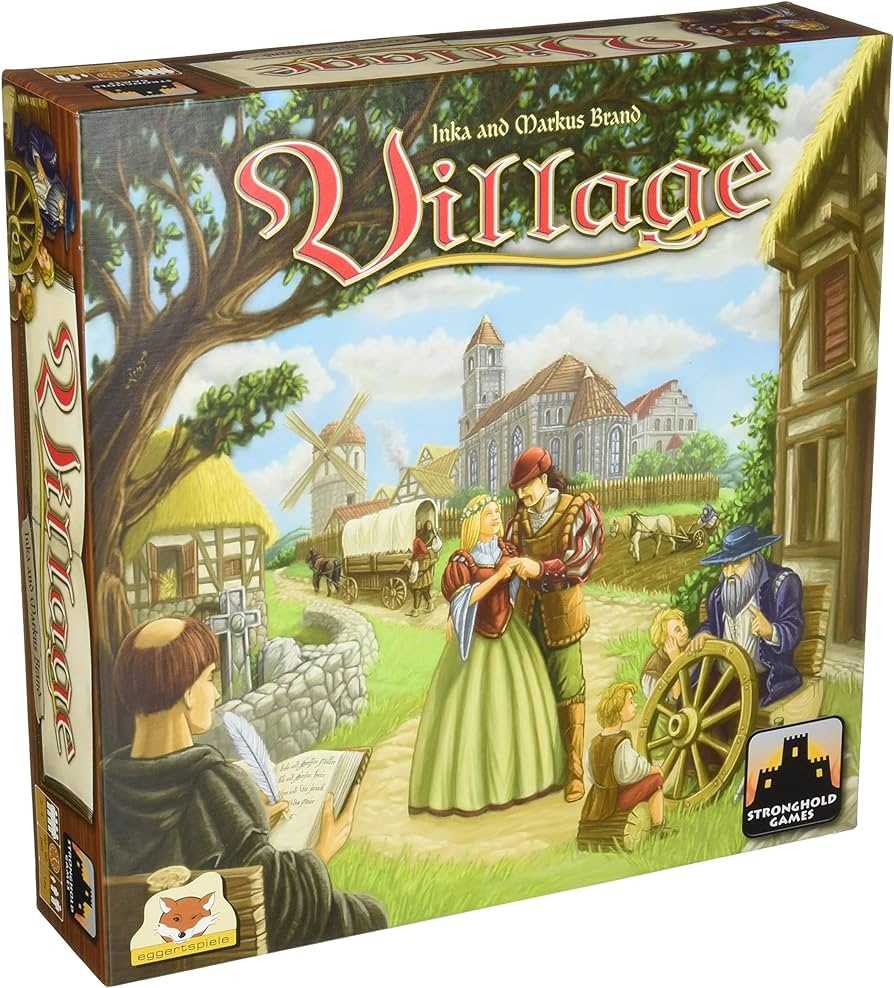
With its stunning artwork, intricate gameplay mechanics, and compelling theme, Village is a must-have for any board game collection. So gather your friends and family, and get ready to embark on a journey of strategy, cooperation, and friendly competition. Are you up for the challenge?
Competitive Gameplay
In the Village board game, players compete against each other to build the most prosperous and prestigious village. The game is played over several rounds, with each round representing a year in the life of the village.
Objective
The objective of the game is to accumulate the most victory points by the end of the game. Victory points can be earned through various means, such as constructing buildings, sending family members to work, and fulfilling the demands of the village council.
Turn Structure
During each round, players take turns in clockwise order. On their turn, a player can perform various actions, such as:
- Collecting resources from the village board
- Using resources to construct buildings
- Sending family members to work in different professions
- Completing travel actions to gain additional benefits
Players must carefully manage their resources and plan their actions strategically to gain an advantage over their opponents.
Interaction and Competition
While players are ultimately competing against each other to earn victory points, there is also a level of interaction and competition within the game. Players can take actions that directly affect their opponents, such as blocking certain spaces on the village board or taking resources that their opponents need.
Additionally, players must also compete for limited resources and buildings. The village board has a limited number of spaces for collecting resources, and certain buildings can only be constructed by a single player. This creates a sense of competition and urgency as players try to secure the resources and buildings they need before their opponents.
Strategy and Planning

Competitive gameplay in the Village board game requires careful strategy and planning. Players must consider the long-term consequences of their actions and anticipate the moves of their opponents. They must weigh the benefits of different actions and make decisions that will maximize their victory point potential.
| Resource | Use |
|---|---|
| Wood | Used to construct buildings |
| Stone | Used to construct buildings |
| Grain | Used to feed family members |
| Sheep | Used to produce wool |
| Wool | Used to fulfill demands and gain victory points |
By carefully managing their resources, making strategic decisions, and adapting to the actions of their opponents, players can increase their chances of winning the Village board game.
Cooperative Elements
In Village Board Game, players have the opportunity to work together and cooperate towards common goals. This cooperative aspect adds an extra layer of strategy and teamwork to the game, making it even more engaging and exciting.
One of the main cooperative elements in the game is the ability to trade resources with other players. By exchanging resources, players can help each other out and ensure that everyone has what they need to succeed. This encourages communication and collaboration between players, as they must negotiate and make deals to ensure everyone’s success.
Another cooperative element in Village Board Game is the ability to share knowledge and information. Players can discuss their strategies, share tips and tricks, and help each other make the best decisions. This creates a sense of camaraderie and teamwork, as players work together to overcome challenges and achieve their objectives.
Additionally, players can also collaborate on certain actions and decisions. For example, players can work together to complete certain tasks or achieve specific goals. This requires coordination and cooperation, as players must plan and execute their actions in a way that benefits the entire team.
Overall, the cooperative elements in Village Board Game enhance the overall gameplay experience. They foster teamwork, communication, and collaboration, creating a sense of camaraderie among players. This adds an extra layer of depth and excitement to the game, making it a truly immersive and enjoyable experience for all.
Family-Friendly Entertainment
The Village Board Game is not only a competitive and cooperative entertainment option for adults, but it is also a great choice for family-friendly fun. This board game is suitable for players of all ages, making it the perfect choice for family game nights or gatherings.
With its simple rules and engaging gameplay, the Village Board Game offers an enjoyable experience for both children and adults. The game encourages strategic thinking, decision-making, and problem-solving skills, making it an educational and entertaining option for families.
One of the highlights of the Village Board Game is its cooperative gameplay. Players must work together to achieve common goals and overcome challenges, fostering teamwork and cooperation among family members. This aspect of the game promotes bonding and communication, creating memorable experiences for families.
Furthermore, the Village Board Game offers a rich and immersive theme that appeals to players of all ages. The beautifully illustrated game board and components transport players to a charming village setting, sparking imagination and creativity. This immersive experience adds an extra layer of enjoyment for families, making the game more than just a simple board game.
Whether you are looking for a competitive or cooperative game, the Village Board Game provides family-friendly entertainment that can be enjoyed by everyone. Its inclusive gameplay, educational value, and immersive theme make it an excellent choice for quality time with loved ones.
Immersive Township Experience
Experience the thrill of building and managing your own township in the immersive village board game. Step into the shoes of a town planner and take on the challenge of creating a thriving community from scratch.
Realistic Gameplay

With detailed game mechanics and realistic scenarios, the immersive township experience offers a true-to-life simulation of managing a township. Make strategic decisions to balance the needs of your residents, such as providing essential services, managing resources, and maintaining infrastructure.
Cooperative and Competitive Elements
The immersive township experience combines both cooperative and competitive gameplay elements. Collaborate with other players to solve common challenges and achieve shared goals, or compete against each other to see who can build the most successful township.
Work together to overcome obstacles like natural disasters, economic downturns, or population growth. Share resources, trade goods, and support each other to ensure the prosperity of your township.
At the same time, keep an eye on your competitors and strive to outperform them. Use your strategic skills to attract more residents, generate higher revenue, and expand your township faster than anyone else.
Whether you choose to cooperate or compete, the immersive township experience offers endless possibilities for fun and engaging gameplay.
Are you ready to embark on the journey of building and managing your own township? Get ready for an immersive experience like no other!
Varied Leisure Activities
When playing the Village board game, players have the opportunity to engage in a variety of leisure activities. These activities not only provide entertainment but also play a crucial role in the overall strategy of the game. Here are some of the leisure activities that players can enjoy:
1. Farming
Farming is one of the main activities in the Village board game. Players can cultivate their fields, grow crops, and harvest them for food and resources. Managing the farm efficiently is essential for the survival and prosperity of the players’ family.
2. Crafting
Crafting is another important leisure activity in the game. Players can use their resources to craft various items such as tools, weapons, and furniture. These crafted items can be used to improve the players’ family’s skills, enhance their abilities, and gain an advantage over their opponents.
3. Trading

Trading is a key aspect of the Village board game. Players can engage in trade with other players or with the market to acquire valuable resources, goods, and services. Successful trading can lead to wealth and prosperity, while poor trading decisions can result in economic struggles.
4. Exploring
Exploring is an exciting leisure activity that allows players to discover new locations, uncover hidden treasures, and encounter unique events. Exploring can provide valuable resources, knowledge, and opportunities for the players’ family.
5. Socializing

Socializing is an essential part of the Village board game. Players can interact with other players’ families, form alliances, negotiate deals, and build relationships. Socializing can lead to cooperation, shared resources, and mutual benefits.
These varied leisure activities make the Village board game a dynamic and engaging experience. Players must carefully balance their time and resources to excel in multiple areas and achieve victory. Whether it’s farming, crafting, trading, exploring, or socializing, there is always something exciting to do in the Village!