
Contents
Ticket to Ride Player Count
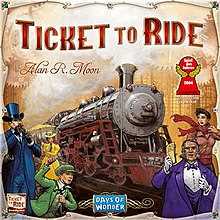
When it comes to board games, finding the right player count is crucial for a satisfying gaming experience. Ticket to Ride, a popular strategy game designed by Alan R. Moon, is no exception. With its simple rules and engaging gameplay, Ticket to Ride can be enjoyed by a wide range of players.
One of the great things about Ticket to Ride is its flexibility in terms of player count. The game can be played with as few as two players or as many as five. This makes it a versatile choice for both small gatherings and larger game nights. Whether you’re looking for a competitive head-to-head match or a lively multiplayer experience, Ticket to Ride has you covered.
Playing Ticket to Ride with two players offers a more strategic experience, as each player has more control over the board and can plan their routes with greater precision. On the other hand, playing with more players introduces a dynamic element of competition, as players vie for the same routes and resources. This can lead to intense and exciting gameplay, with players constantly adapting their strategies to outwit their opponents.
Regardless of the player count, Ticket to Ride offers a highly immersive and enjoyable gaming experience. Its combination of strategic decision-making, resource management, and a touch of luck keeps players engaged and coming back for more. So gather your friends, set up the game board, and get ready for an unforgettable journey with Ticket to Ride!
Overview of Ticket to Ride
Ticket to Ride is a popular board game designed by Alan R. Moon and published by Days of Wonder. It was first released in 2004 and has since become a staple in many board game collections.
In Ticket to Ride, players take on the role of railroad tycoons, competing to build the most extensive and profitable rail network across North America. The game board is a map of the United States, with various cities connected by colored train routes.
The objective of the game is to score the most points by completing train routes and fulfilling destination tickets. Each player starts with a set of train cards and destination tickets, which indicate specific routes they must connect. Points are awarded for completing routes and deducted for failing to do so.
Gameplay
On their turn, players have several options. They can draw train cards from the deck, claim a route by playing the required train cards, or draw additional destination tickets. The strategy lies in deciding which routes to claim and which tickets to keep, as well as blocking opponents and maximizing your own score.
There are also bonus points available for completing longer routes and connecting specific cities. Additionally, players can earn points by building continuous routes and by having the longest continuous route on the board.
Player Count
Ticket to Ride can be played with 2 to 5 players, making it a versatile game for different group sizes. The game scales well with different player counts, although the dynamics and strategies may vary.
With more players, the competition for routes and resources becomes more intense, while with fewer players, there is more room for strategic planning and blocking opponents. The game also offers various expansions and versions, allowing for even more player options and variations.
Overall, Ticket to Ride offers a fun and engaging gameplay experience for players of all ages and skill levels. Its simple rules and strategic depth make it a timeless classic in the world of board games.
Multiplayer Aspect of the Game
The multiplayer aspect of Ticket to Ride is one of its biggest draws. The game is designed to be played with multiple players, allowing for a fun and competitive experience. Whether you’re playing with friends or family, the game offers a great opportunity to interact and strategize with others.
Playing with multiple players adds a whole new dynamic to the game. Each player must carefully plan their routes and make strategic decisions based on the actions of their opponents. This adds an element of unpredictability and excitement to the game, as you never know what moves your opponents will make.
Communication and negotiation also play a key role in the multiplayer aspect of Ticket to Ride. Players can form alliances, make deals, and even block their opponents’ routes to gain an advantage. This adds an extra layer of depth to the game and encourages players to interact with one another.
Additionally, the multiplayer aspect of the game allows for friendly competition and social interaction. Playing with others can create a sense of camaraderie and shared experience, as you work together to complete your train routes and achieve your objectives. It’s a great way to spend time with friends and family, and create lasting memories.
Overall, the multiplayer aspect of Ticket to Ride is what sets it apart from other board games. It offers a unique and engaging experience that can be enjoyed by players of all ages and skill levels. So gather your friends and family, and get ready for an exciting and competitive game of Ticket to Ride!
Ideal Player Count
The ideal player count for Ticket to Ride can vary depending on personal preferences and the dynamics of the gaming group. However, the game is designed to be played with 2 to 5 players, and this range is generally considered to be the most enjoyable and balanced.
When playing with 2 players, the game becomes more strategic and intense, as players have more control over the board and can block each other’s routes more effectively. It also allows for faster gameplay and shorter playtimes.
With 3 or 4 players, the game strikes a good balance between strategy and competition. There is more interaction between players, as they compete for routes and resources. The gameplay is usually longer compared to a 2-player game, but it still maintains a good pace.
Playing with 5 players adds an extra layer of complexity and challenge to the game. The board becomes more crowded, and players need to be more strategic in their route planning and resource management. The gameplay can be longer, but it offers a more dynamic and engaging experience.
Factors to Consider
When determining the ideal player count for Ticket to Ride, it’s important to consider the following factors:
- Group Size: Consider the number of players in your gaming group and whether everyone will be able to actively participate and enjoy the game.
- Experience Level: Take into account the experience level of the players. Playing with fewer players can be more suitable for beginners, while playing with more players can be more challenging for experienced players.
- Game Length: Consider the desired length of the game. Playing with fewer players usually results in shorter playtimes, while playing with more players can extend the gameplay.
- Interaction: Think about the level of interaction you want between players. Playing with more players generally leads to more interaction and competition.
Conclusion
Ultimately, the ideal player count for Ticket to Ride depends on personal preferences and the dynamics of the gaming group. Whether you prefer a more strategic and intense game with 2 players or a more dynamic and competitive experience with 5 players, Ticket to Ride offers a versatile gameplay experience for a range of player counts.
| Player Count | Gameplay Characteristics |
|---|---|
| 2 | Intense, strategic, shorter playtimes |
| 3-4 | Balance between strategy and competition, longer playtimes |
| 5 | Complex, challenging, more dynamic gameplay |
Two-Player Gameplay
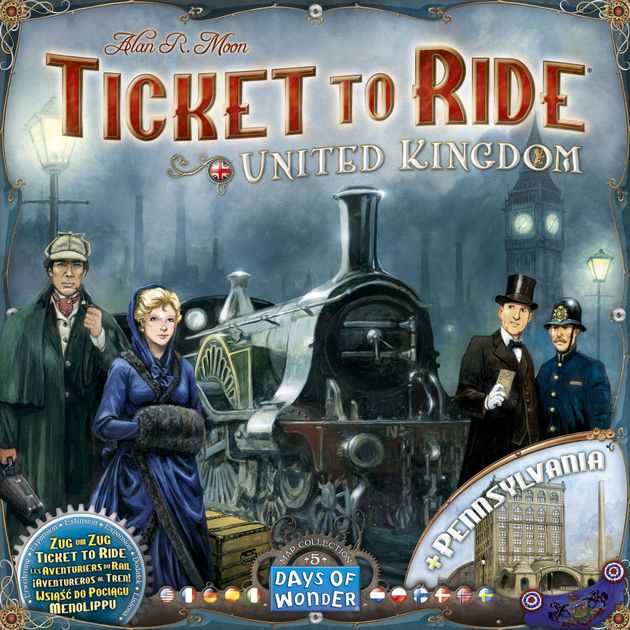
Playing Ticket to Ride with two players can be a different experience compared to playing with a larger group. With only two players, the game becomes more strategic and competitive as each player tries to outmaneuver the other to claim routes and complete their train cards.
One of the key differences in two-player gameplay is the availability of routes. With fewer players, there are more routes available for each player to choose from. This means that players have more options and can plan their routes more strategically. It also means that players need to be more aware of their opponent’s plans and try to block them from completing routes.
In addition to the increased strategic element, two-player gameplay also tends to be faster-paced. With fewer players taking turns, the game moves more quickly, and players need to make decisions more efficiently. This can add an extra level of excitement and intensity to the game.
Tactics for Two-Player Gameplay
When playing Ticket to Ride with two players, it’s important to consider some specific tactics that can help you gain an advantage:
1. Blocking Routes
Since there are fewer routes available, blocking your opponent’s routes becomes even more crucial. Pay attention to the routes they are trying to complete and try to claim the routes they need before they can.
2. Building Long Routes
Building long routes can be a powerful strategy in two-player gameplay. Not only does it give you more points, but it also limits the options for your opponent and makes it harder for them to complete their routes.
3. Collecting Train Cards
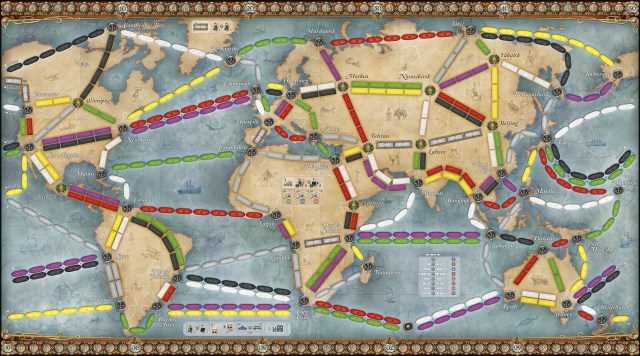
With only two players, there is less competition for train cards. Take advantage of this by collecting the cards you need early on and denying your opponent the cards they need.
| Number of Players | Recommended | Playable |
|---|---|---|
| 2 | ✓ | ✓ |
| 3 | ✓ | ✓ |
| 4 | ✓ | ✓ |
| 5 | ✓ | ✓ |
Three-Player Gameplay
Playing Ticket to Ride with three players can be an exciting and strategic experience. With one less player than the maximum player count, the game becomes more competitive as players vie for limited routes and resources.
Here are some key points to keep in mind when playing Ticket to Ride with three players:
- Route Availability: With fewer players, there may be more route options available for each player. This means that players can focus on building longer routes and connecting distant cities without as much competition.
- Resource Management: Managing resources becomes even more important in a three-player game. With fewer players, resources can become scarce, so players need to plan their moves carefully and prioritize which routes to claim.
- Blocking Strategies: Blocking opponents becomes a more viable strategy in a three-player game. With fewer players, it’s easier to anticipate their moves and strategically block their routes to hinder their progress.
- Longest Route: The bonus points for the longest continuous route can be easier to achieve in a three-player game. With fewer players competing for routes, it’s more feasible to build a long and uninterrupted route.
- Interaction: With three players, there is still plenty of interaction and competition. Players will need to pay attention to their opponents’ moves and adjust their strategies accordingly.
Overall, playing Ticket to Ride with three players offers a unique and challenging experience. It requires careful planning, resource management, and strategic thinking to outmaneuver opponents and claim victory.
Four-Player Gameplay
Playing Ticket to Ride with four players adds an extra level of strategy and competition to the game. With more players, there are more opportunities for blocking routes and stealing valuable routes from opponents.
One important aspect of four-player gameplay is the increased importance of planning and timing. With more players vying for the same routes, it becomes crucial to plan your moves carefully and anticipate your opponents’ actions. Timing is also key, as you need to strike at the right moment to claim the routes you need before someone else does.
In four-player games, it is also important to keep an eye on your opponents’ progress. Pay attention to their route cards and try to block them from completing their routes. This can be done by claiming routes that they need or by strategically placing your trains to block their path.
Another strategy in four-player games is to focus on building longer routes. Longer routes not only earn you more points but also make it harder for your opponents to block you. However, be careful not to spread yourself too thin, as it can be challenging to complete longer routes without the necessary train cards.
Communication and negotiation can also play a role in four-player games. You can try to make deals with other players to gain access to routes you need or to prevent them from blocking your routes. However, be cautious as alliances can quickly change, and your opponents may not always keep their promises.
Overall, four-player gameplay in Ticket to Ride offers a more intense and strategic experience. It requires careful planning, timing, and a keen eye on your opponents’ moves. So gather three friends and get ready for an exciting and challenging game of Ticket to Ride!
Five-Player Gameplay
Playing Ticket to Ride with five players can be an exciting and challenging experience. With more players, there is increased competition for routes and limited resources, making strategic decision-making even more crucial.
Setup
When playing with five players, each player starts with 15 trains instead of the usual 45. This means that players will need to be more efficient with their routes and plan carefully to ensure they have enough trains to complete their desired paths.
Additionally, the number of train cards and destination tickets available may need to be adjusted to accommodate the larger player count. It is recommended to use the standard number of cards and tickets for five players, but you can also increase or decrease the amount based on your preferences.
Strategy
In a five-player game, it is important to pay close attention to what routes your opponents are trying to complete. With more players, there is a higher chance that someone will block your desired path, so it’s crucial to have backup plans and be flexible with your route choices.
It can also be beneficial to focus on completing shorter routes and connecting smaller cities, as these are less likely to be contested by other players. This strategy allows you to quickly accumulate points and secure your position on the board.
Another strategy to consider is blocking your opponents’ routes. By strategically placing your trains, you can prevent other players from completing their desired paths and force them to take longer routes or detours. This can give you a significant advantage and disrupt your opponents’ plans.
Tips
- Pay attention to the color of train cards your opponents are collecting. If multiple players are collecting cards of the same color, it may indicate that they are competing for the same route.
- Consider taking destination tickets early in the game to give yourself more options and potential routes to complete.
- Keep an eye on the number of trains your opponents have left. If someone is running low on trains, it may be a good opportunity to block their routes or take advantage of their limited resources.
- Don’t forget about the longest continuous path bonus. It can be a game-changer and give you a significant point boost if you manage to connect multiple cities with your trains.
Playing Ticket to Ride with five players offers a dynamic and competitive experience. By adapting your strategies and staying vigilant of your opponents’ moves, you can increase your chances of victory in this thrilling game.
Six-Player Gameplay
In Ticket to Ride, playing with six players adds an extra level of excitement and competition to the game. With more players, the board becomes more crowded and the race to claim routes becomes even more intense.
Setup
The setup for a six-player game is the same as for other player counts. Each player receives their train cards and destination tickets, and the train cards are shuffled to form the draw pile. The train pieces are placed within reach of all players.
Gameplay
During gameplay, each player takes turns in clockwise order. On their turn, a player can perform one of three actions: draw train cards, claim a route, or draw destination tickets.
With six players, it becomes crucial to plan your routes carefully and anticipate your opponents’ moves. The board can quickly become congested, making it harder to complete longer routes. It’s important to keep an eye on your opponents’ progress and adjust your strategy accordingly.
Communication and negotiation can also play a significant role in a six-player game. Players may need to work together to build routes or block opponents from completing their routes. This adds an extra layer of interaction and strategy to the game.
As with other player counts, the game continues until one player has two or fewer train pieces remaining. At that point, each player takes one final turn, and then the game ends. Players tally up their points based on completed routes and destination tickets, and the player with the highest score wins.
Conclusion
Playing Ticket to Ride with six players brings a new level of excitement and challenge to the game. The increased competition and strategic possibilities make for a thrilling gaming experience. So gather your friends and get ready for an epic six-player game of Ticket to Ride!
| Number of Players | Gameplay Experience |
|---|---|
| 2-5 | Great for smaller groups, more strategic options |
| 6 | Highly competitive, crowded board, intense race for routes |